
The Evolution of Downtown Ontario: What’s New & What’s Next
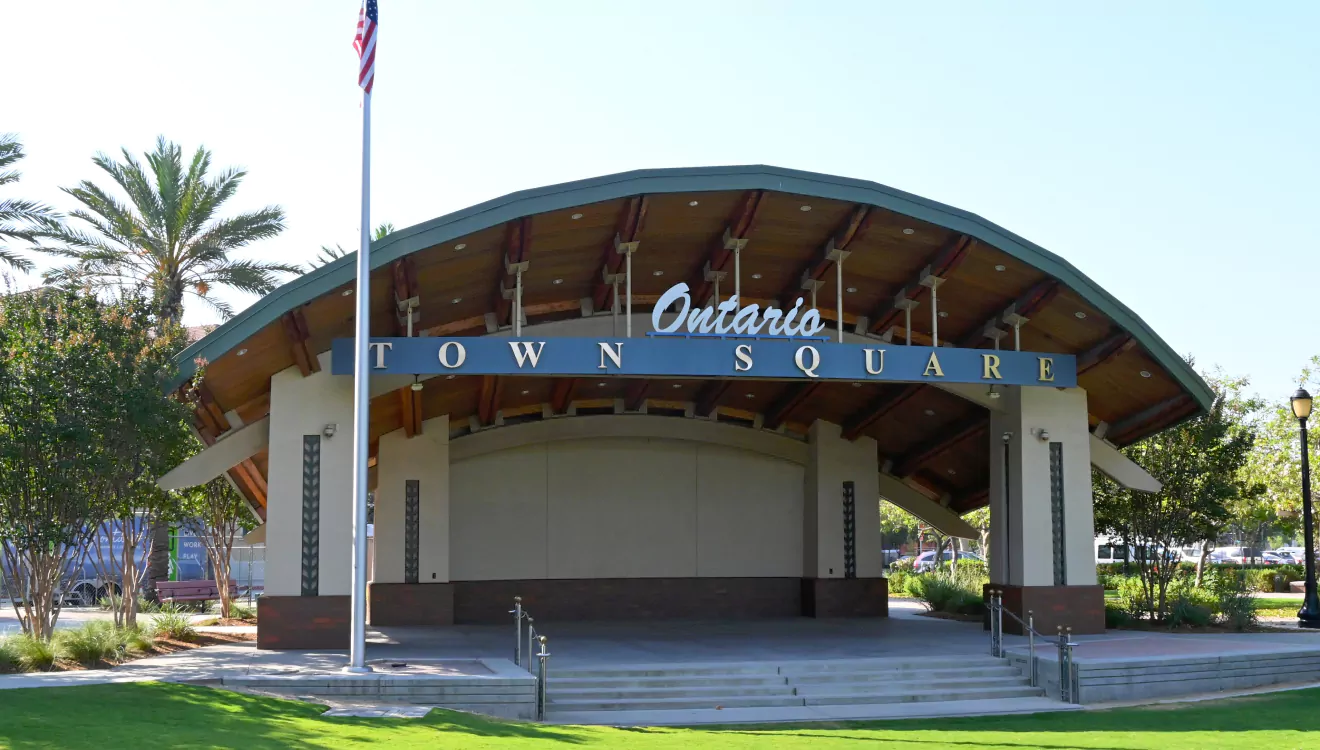
Downtown Ontario has always been more than just the geographic center of the city – it is the place where Ontario’s history, culture, business, and community come together. Over the decades, the district has evolved from a small settlement surrounded by agricultural land into a thriving civic and commercial hub. Today, as new revitalization projects and business-support programs take shape, Downtown Ontario is entering an exciting new chapter. For visitors staying at Best Western Ontario Mills Mall near Ontario Convention Center, exploring Downtown Ontario offers a unique opportunity to experience both the city’s historic roots and its vision for the future.
The Beginning of Ontario’s Story
The foundation of Ontario dates to 1882, when the Chaffey Brothers established a model colony after purchasing the land and naming it after their hometown of Ontario, Canada. One of the most important developments during these early years was the creation of a water district, which enabled agricultural production and encouraged rapid economic growth.
Just one year later, in 1883, the completion of Euclid Avenue created the framework for what would eventually become the city’s downtown district. Today, this historic corridor remains one of Ontario’s defining landmarks and continues to serve as the heart of community life.
During the late 1800s, Ontario steadily expanded through a combination of agriculture, transportation, and local enterprises. Important milestones included:
- The establishment of a small agricultural college.
- Southern Pacific Railroad service arrived in 1887.
- Continued population growth and business development.
- Expansion of agricultural production throughout the region.
These developments helped transform Ontario from a planned colony into a growing community with strong economic potential.
Agriculture Drives Early Growth
Agriculture played a central role in shaping Ontario’s identity and economy. In 1889, two important developments occurred that would leave a lasting impact on the city.
First, John S. Armstrong, associated with what is now Armstrong Garden Centers, arrived in Ontario. Second, the citrus industry experienced significant growth and quickly became one of the city’s most important economic drivers.
During this period:
- Ontario had the second-largest citrus acreage in the United States.
- The first railcar of oranges was shipped out of state.
- Citrus production became a major source of local prosperity.
The success of agriculture attracted additional businesses and services to the growing community. By the end of the 19th century, Ontario had established key institutions that supported everyday life, including:
- An electric company.
- A fire department.
- A hotel.
- Expanding commercial services.
In 1891, Ontario officially became an incorporated city with a population of just 550 residents, marking a major milestone in its development.
Expanding Through the Early 20th Century
As Ontario entered the 20th century, growth continued at a steady pace. Agriculture remained the backbone of the local economy, with citrus production maintaining its importance and dairies becoming an increasingly significant part of the region’s agricultural landscape.
The first dairies were established during the early decades of the century, helping diversify Ontario’s agricultural base while supporting local employment and economic activity.
At the same time, transportation improvements helped strengthen Ontario’s regional importance. In 1919, the city established its first temporary airport to accommodate soldiers returning home from World War I. This moment reflected Ontario’s growing role as a transportation center and laid the groundwork for future aviation development.
The 1920s: A Defining Decade
The 1920s marked a period of significant growth for Ontario, with several developments strengthening the city’s economy and infrastructure.
Key Milestones
- 1926: The first Sunkist factory was established, reinforcing Ontario’s role in the citrus industry.
- 1928: The permanent airfield, now known as Ontario Airport, was established.
- 1930: The city’s population reached nearly 15,000 residents.
The decade also saw the construction of notable landmarks, including the historic Granada Theater, which remains an important part of Ontario’s architectural heritage.
Community Spirit and Civic Pride
Ontario’s strong sense of community was highlighted in 1941 when the city entered its first float in the Rose Parade. While it did not win an award, the event helped foster civic pride and community involvement. The tradition continues today, with Ontario participating in the parade every year.
Downtown Ontario Today
Today, Downtown Ontario serves as the city’s civic and cultural center. The district attracts thousands of visitors annually and remains an important gathering place for residents.
Major destinations within the downtown area include:
- City Hall.
- The City Library.
- The Senior Center.
- The Ontario Museum of History of Art.
- Ontario Town Square.
Situated along the historic tree-lined Euclid Avenue Corridor, Downtown Ontario is currently experiencing significant revitalization through a combination of city-led initiatives and private development efforts. The district is envisioned as a place-focused and people-centered environment that supports:
- Historic preservation.
- Business growth.
- Housing opportunities.
- Entertainment and creative spaces.
- Civic and institutional uses.
- Strong community connections.
What’s New: Revitalization in Action
A. Downtown Ontario Retail Pop-Up Program: The Retail Pop-Up Program gives entrepreneurs an affordable way to test the local market. Participants receive permit assistance, marketing support, DOIA connections, and access to city-owned spaces along Euclid Avenue for as little as $1 per month for up to six months.
B. Equipment Loan Program: The city offers forgivable loans of up to $20,000 to help eligible restaurants, breweries, wineries, and distilleries purchase essential equipment. Loans are fully forgiven after five years of continuous operation.
C. Façade Improvement Program: Through matching grants of up to $25,000, the Façade Improvement Program supports property upgrades, historic preservation, and enhancements that contribute to a more attractive downtown environment.
What’s Next for Downtown Ontario?
Looking ahead, the city’s vision for Downtown Ontario includes:
- 750 new employees.
- 600 residential units.
- 13,000 square feet of commercial space.
- A new college.
These investments are designed to create a vibrant, walkable 18-hour downtown that supports residents, businesses, and visitors while preserving the authentic character that has defined Ontario for generations.
Stay at Best Western Ontario Mills Mall – a luxury hotel near Ontario International Airport and explore Downtown Ontario just minutes away, where historic Euclid Avenue, cultural landmarks, and exciting revitalization projects bring the city’s past, present, and future together. Book now!


